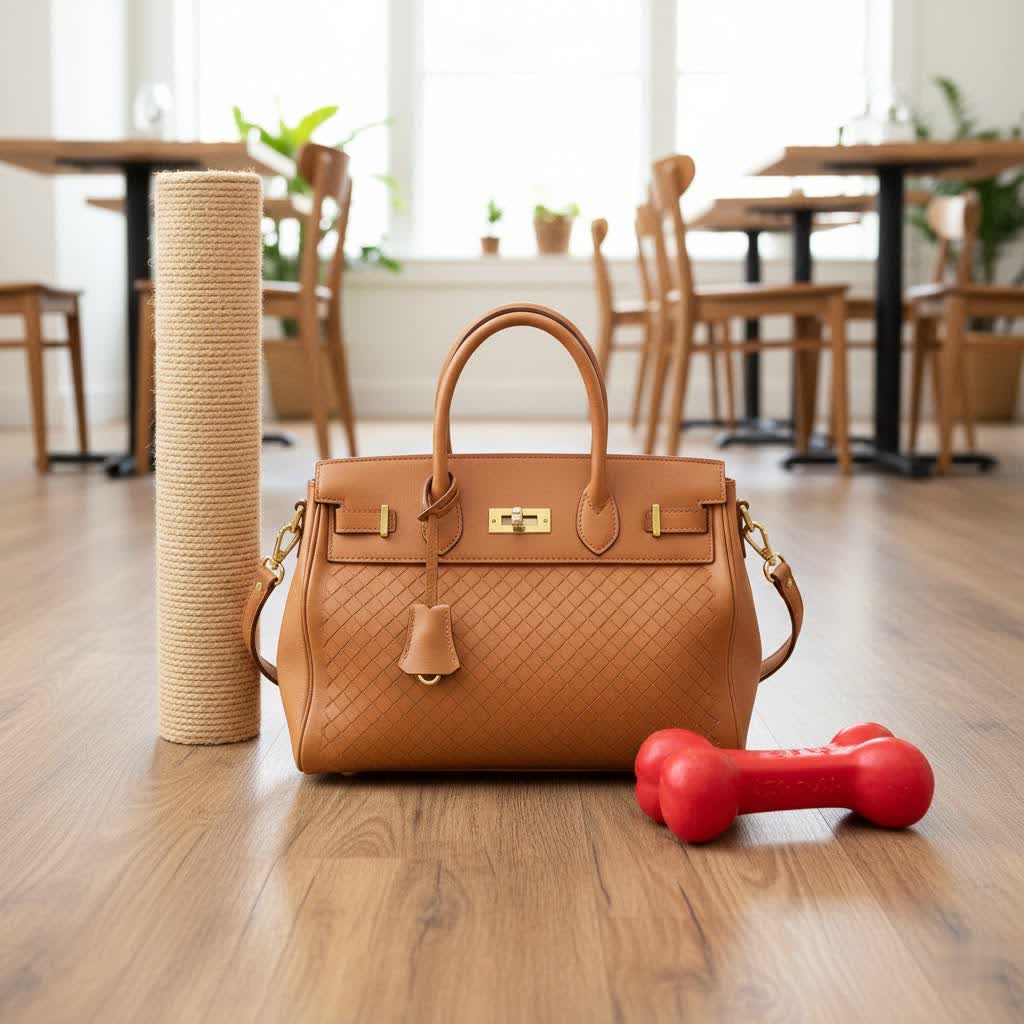
Handbags are far more than mere containers for our essentials; they are powerful fashion statements, extensions of our personalities, and trusted companions through every aspect of life. From the functionality required for a bustling workday to the elegant simplicity needed for a glamorous evening, choosing the right handbag involves a blend of practicality and personal expression. This comprehensive guide will navigate you through the exciting world of handbags, offering insights and advice to help you select, care for, and cherish your perfect accessory.
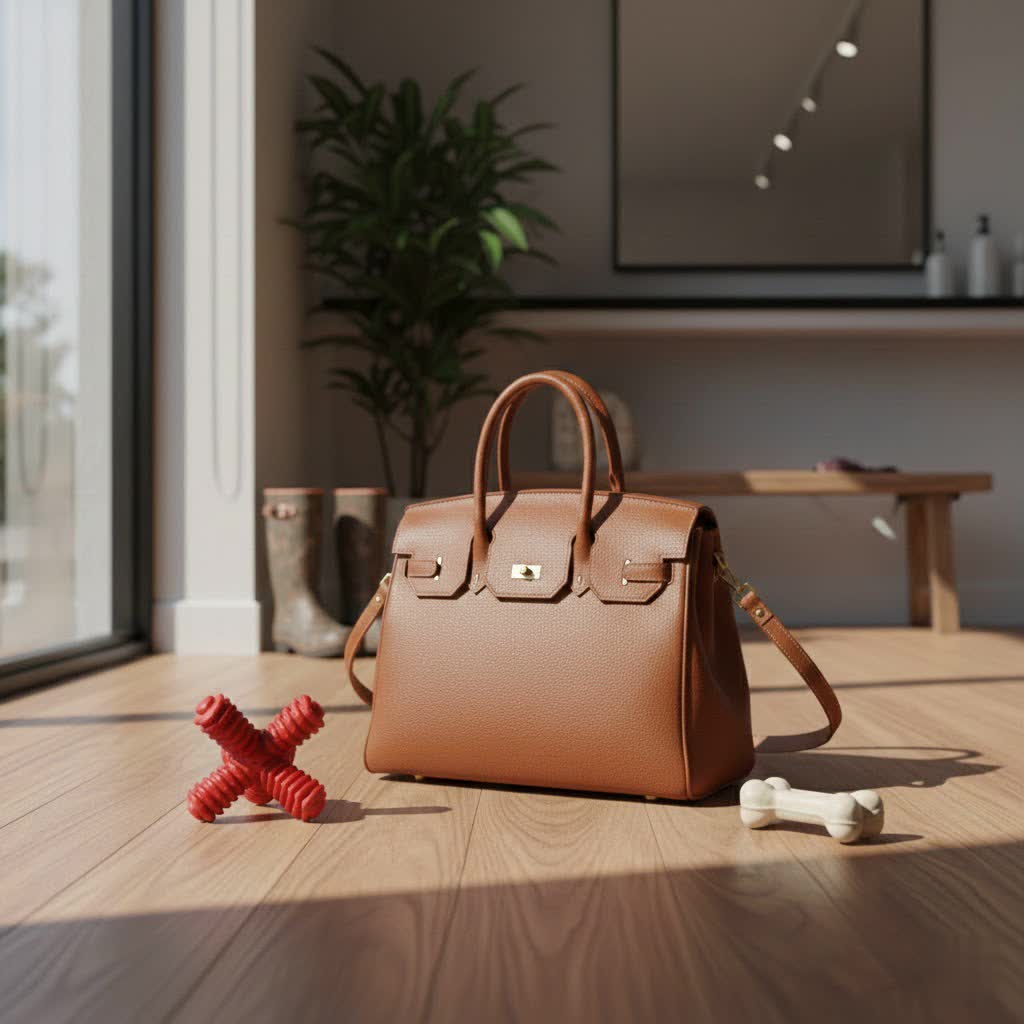
Choosing Your Perfect Handbag: A Comprehensive Guide
The journey to finding your ideal handbag begins with understanding the vast array of styles available and what makes each unique. Each type serves a distinct purpose, designed to complement different lifestyles and occasions.
Popular Handbag Styles for Every Occasion
The world of handbags is rich with diverse styles, each offering a unique blend of aesthetics and utility. Understanding these common types can help you pinpoint what best suits your needs and personal flair.
- Tote Bags: Known for their spacious interiors and open tops, tote bags are quintessential carry-alls. They are perfect for work, shopping, or days when you need to carry a laptop, books, or gym essentials. Their casual yet chic design makes them a versatile staple for everyday use.
- Satchel Bags: These bags typically feature a structured shape, a flat bottom, and often a top handle along with a detachable shoulder strap. Satchels blend sophistication with functionality, making them an excellent choice for business meetings, school, or semi-formal settings where a polished look is desired.
- Clutch Bags: Designed to be held in hand or tucked under the arm, clutches are small bags ideal for evenings, parties, or any event where you wish to carry only minimal essentials like a phone, cards, and lipstick. They are the epitome of compact elegance, often without straps or handles.
- Crossbody Bags: Offering hands-free convenience, crossbody bags feature a long, adjustable strap worn across the body. They are a favorite for everyday errands, travel, or concerts, providing security and ease of movement while keeping your essentials close and accessible.
- Shoulder Bags: A true wardrobe staple, shoulder bags are typically medium-sized with a single strap designed to hang over your shoulder. They come in an extensive range of styles, from classic to bohemian, providing accessibility and space without being overly formal or bulky.
- Hobo Bags: Characterized by their slouchy, crescent shape and soft, unstructured form, hobo bags exude a relaxed, bohemian charm. They are comfortable to wear and offer a spacious interior for a laid-back, yet stylish, accessory, perfect for weekend getaways or casual outings.
- Bucket Bags: These trendy bags feature a cylindrical shape and a drawstring closure, resembling a bucket. They offer a unique aesthetic and surprisingly deep compartments, making them both stylish and practical for long days out.
- Mini Bags: Gaining cult status, mini bags are tiny trendsetters that hold just the bare essentials. While they may not offer extensive capacity, they make a significant fashion statement, ideal for minimalist outfits or special occasions when you want to carry just your cards, keys, and phone.
Key Factors to Consider When Buying a Handbag
Selecting the perfect handbag requires a thoughtful approach, weighing various factors beyond just its visual appeal. The right bag should integrate seamlessly into your life, enhancing both your style and daily functionality.
- Material: The material of a handbag dictates its durability, maintenance, weight, and overall aesthetic.
- Genuine Leather: A classic choice, genuine leather (including full-grain, top-grain, cowhide, and lambskin) is renowned for its durability, luxurious feel, and ability to develop a unique patina over time. While often an investment, leather bags are long-lasting. However, they can be heavy and require regular conditioning to prevent drying and cracking.
- Synthetic Leathers: (PU, PVC, Microfiber) These alternatives offer the look of leather at a more accessible price point. PU leather is versatile and durable, while PVC leather is exceptionally tough and water-resistant. Microfiber leather provides superior softness and durability among synthetics. They are often lighter and easier to clean but may crack or peel over time, especially with high flex stress.
- Fabric: Materials like canvas, nylon, and polyester provide lightweight and versatile options. Canvas is durable and often eco-friendly, suitable for casual totes. Nylon is known for being lightweight and water-resistant, making it ideal for travel or active lifestyles. Fabric bags are generally easier to clean but can be prone to staining or may lack the structured elegance of leather.
- Size and Capacity: Consider what you typically carry daily. Do you need space for a laptop, water bottle, and gym clothes, or just your phone and wallet? The bag’s size should also be proportionate to your body shape; a very large bag might overwhelm a petite frame, while a small bag could look out of place on a taller individual.
- Style and Color: Your handbag should reflect your personal aesthetic and seamlessly integrate with your wardrobe. Neutral colors like black, brown, tan, and grey are incredibly versatile and can be paired with almost any outfit. Consider whether you prefer a timeless design that transcends trends or a more fashion-forward piece for a specific season.
- Comfort and Portability: How you carry your bag significantly impacts comfort. Evaluate the strap length, handle type, and the bag’s weight (even when empty). A bag that constantly slips off your shoulder or feels too heavy can quickly become a nuisance.
- Functionality and Features: Pockets, compartments, and closures play a vital role in a bag’s usability. A zippered closure, for instance, offers enhanced security for your belongings, especially when commuting or traveling. Interior and exterior pockets help organize essentials, preventing a frantic search for keys or a phone.
- Brand and Price: While designer handbags often come with a higher price tag, they can be considered an investment due to their quality craftsmanship and potential resale value. However, many reputable brands offer high-quality, durable bags across various price points. Always balance your budget with the desire for quality and longevity.
Handbag Spotlight: Comparing Popular Choices
Instead of a rigid comparison, let’s explore which handbag styles excel in different scenarios, guiding you to make the most informed choice for your lifestyle.
- For the Professional: A structured satchel or a spacious leather tote is often the top choice. A satchel offers a polished, authoritative look, perfect for carrying documents and a tablet to meetings. A leather tote, especially one with dedicated compartments, can accommodate a laptop, files, and personal items while maintaining a sophisticated appearance. Both are typically durable and convey professionalism.
- For Casual & Everyday Use: The crossbody bag is king for hands-free convenience, ideal for running errands, casual outings, or light travel. Durable materials like canvas or nylon are excellent for everyday crossbody bags. Alternatively, a soft hobo bag made from supple leather or suede offers relaxed style and ample space for daily essentials, pairing beautifully with casual attire.
- For Evening & Special Occasions: An elegant clutch or a chic mini bag is indispensable. A classic box clutch or a dazzling minaudière can elevate a formal gown, carrying just the absolute necessities. A stylish mini bag, while small, makes a bold fashion statement and is perfect for date nights or events where minimal carry is key, adding a contemporary touch to your ensemble.
- For Travel & Adventure: A sturdy backpack or a roomy duffel bag (often considered a type of Hand Bag for travel) offers maximum capacity and comfort. However, for exploring a city hands-free, a secure crossbody bag is preferable. For short trips, a large tote bag in durable canvas or a lightweight nylon can serve as an excellent carry-on, providing easy access to travel documents and in-flight necessities.
Your Essential Handbag Buying Guide
Making a thoughtful purchase ensures satisfaction and longevity for your handbag. Here’s a streamlined approach to guide your buying process.
- Define Your Needs and Budget: Before falling in love with a design, clarify the primary purpose of the bag and your comfortable spending limit. Is it for daily use, special occasions, or travel? Knowing this will narrow down your options significantly.
- Research Thoroughly: Look into product information, material specifications, and crucially, read user reviews. Real-world feedback often highlights durability, comfort, and actual capacity. Websites and forums dedicated to fashion can offer valuable insights into specific brands and models.
- Inspect Quality Before Purchase: Whether buying online or in-store, pay close attention to craftsmanship. Check the stitching for evenness and strength, test zippers for smooth operation, and examine hardware for solid construction. Any signs of weakness or poor finish can indicate a bag that won’t last.
- Consider Resale Value (for Investment Pieces): For high-end or designer bags, research their potential resale value. Certain brands and classic styles tend to hold or even appreciate in value, making them a worthwhile investment.
- Understand Warranty and Return Policies: Familiarize yourself with the retailer’s and brand’s policies regarding returns, exchanges, and repairs. This provides peace of mind in case of defects or if the bag doesn’t meet your expectations upon arrival.
Mastering Handbag Care and Maintenance
Proper care can dramatically extend the life and beauty of your handbag, transforming it from a seasonal accessory into a timeless heirloom. Think of it as investing in its future.
- Regular Cleaning: Make it a habit to wipe down your handbag after each use with a soft, dry, or slightly damp cloth to remove dust and dirt. For leather bags, use cleaners specifically designed for your leather type to avoid damage. Don’t overlook cleaning the hardware with a gentle wipe to maintain its shine.
- Conditioning (for Leather): Leather, much like skin, needs moisturizing to remain supple. Apply a high-quality leather conditioner monthly to prevent it from drying out, cracking, and losing its luster. Test the conditioner on an inconspicuous area first.
- Proper Storage: When not in use, store your handbag in a dust bag to protect it from dust and light. To maintain its shape, lightly stuff the bag with acid-free tissue paper or soft fabric. Always store bags upright or flat, never stacked or crammed, and in a cool, dry place away from direct sunlight or heat. Avoid hanging bags by their straps for extended periods, as this can cause stretching and damage.
- Protection: Consider using a protective spray suitable for your bag’s material to create a barrier against water and stains. Always test on a hidden area first, as some sprays might alter the color of dyed leather.
- Avoid Common Damage:
- Keep bags away from direct sunlight and heat to prevent fading and material drying.
- Avoid damp environments, which can lead to mold and mildew.
- Be mindful of color transfer, especially when resting light-colored bags against dark denim.
- Never use harsh chemicals or universal cleaners, as they can permanently damage specific materials.
- Timely Repairs: Address any minor damages like loose stitching, broken zippers, or worn straps promptly. Early repairs can prevent more extensive and costly damage down the line.
“A good handbag is not just an accessory; it’s a reliable companion that reflects your journey and style.”
Conclusion
The world of handbags offers an incredible spectrum of styles, materials, and functions. By thoughtfully considering your lifestyle, aesthetic preferences, and practical needs, you can navigate this diverse landscape to find not just a bag, but a true companion. Remember that a mindful approach to selection, combined with diligent care, will ensure your chosen handbag remains a cherished part of your wardrobe for years to come.
Which handbag style is currently your go-to, and why?
Frequently Asked Questions
How often should I clean my handbag?
For general maintenance, wipe down your handbag with a soft cloth after each use to remove dust and surface dirt. For deeper cleaning or conditioning (especially for leather), a monthly schedule is often recommended, or as needed based on use and exposure.
What is the most durable handbag material?
Genuine leather, particularly full-grain leather, is widely considered one of the most durable handbag materials, known for its strength and ability to age beautifully. Canvas and high-quality nylon also offer excellent durability for everyday and practical use.
Can I use universal cleaners on all handbag materials?
No, it is generally not advisable to use universal cleaners on all handbag materials. Different materials, such as genuine leather, synthetic leather, canvas, and suede, require specific cleaning agents and methods to prevent damage and maintain their integrity. Always use products recommended for your bag’s specific material.
How do I store handbags to prevent damage?
To prevent damage, store handbags in a dust bag in a cool, dry place away from direct sunlight and heat. Stuff them lightly with acid-free tissue paper to help maintain their original shape, and avoid hanging them by their straps for prolonged periods.
What’s the difference between full-grain and genuine leather?
Full-grain leather is the highest quality leather, retaining the entire grain of the hide with its natural imperfections, offering maximum durability and developing a rich patina. Genuine leather, on the other hand, is a broader term that can refer to any leather, often made from layers of hide after higher grades have been split off, making it less durable than full-grain leather.