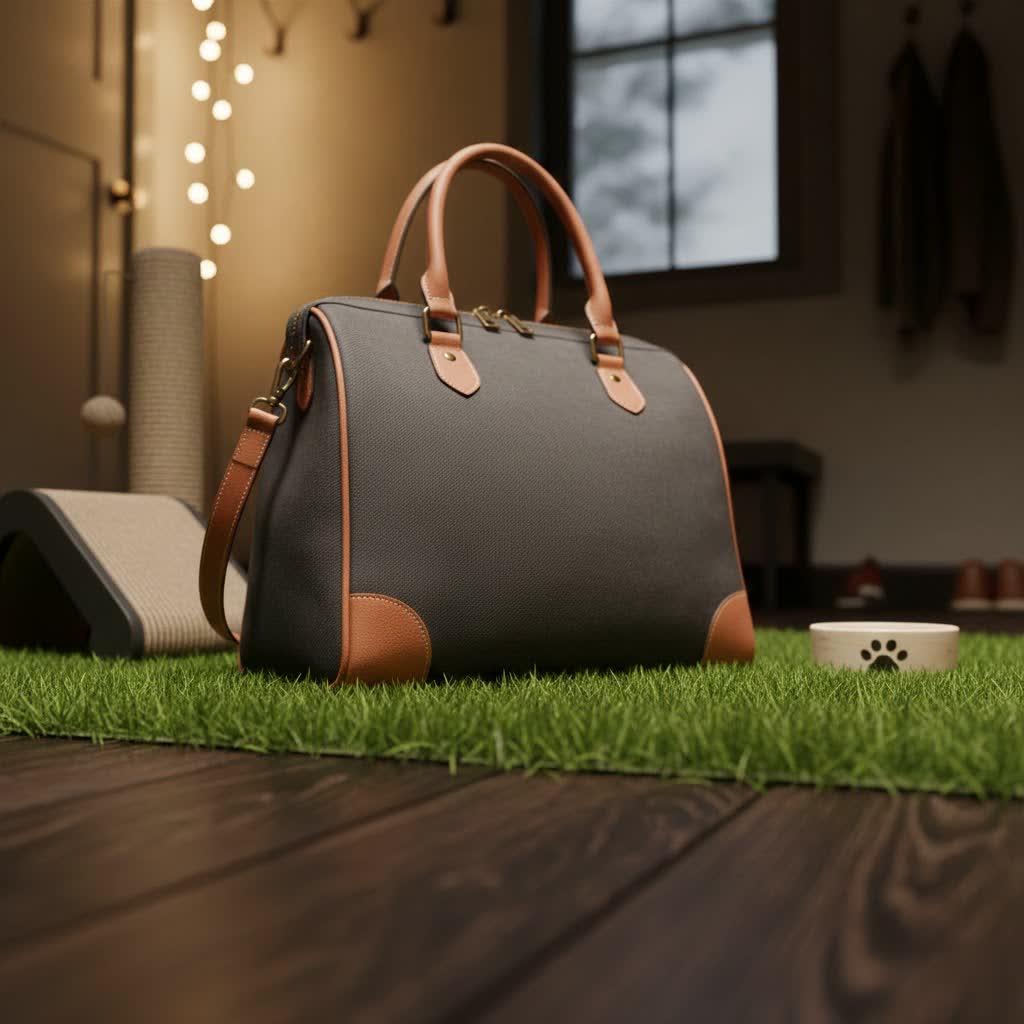
Choosing the perfect cloth handbag involves balancing style with practicality, offering a versatile accessory that reflects personal flair. These bags provide a refreshing alternative to leather, with options ranging from durable canvas to elegant satin, catering to diverse needs and aesthetics. With a history spanning centuries, cloth handbags are a statement piece and a reliable companion for various occasions, blending comfort with unique designs.
Popular Types of Cloth Handbags
Cloth handbags come in many shapes and sizes, each designed to cater to different occasions and personal styles. Understanding the common types can help you pinpoint the perfect addition to your collection. For compare top luxury on this site.
- Tote Bags: These large, often open-top bags are champions of capacity and versatility. Typically featuring parallel double top handles, totes are ideal for carrying daily essentials, groceries, or even a laptop. Their spacious nature makes them perfect for casual outings, work, or beach trips.
- Crossbody Bags: Designed with a long strap worn diagonally across the body, crossbody bags offer hands-free convenience. They are generally compact, making them excellent for errands, travel, or when you need quick access to your belongings. While smaller, they come in diverse styles, from sleek to bohemian.
- Clutch Bags: Usually strapless or with a minimal wristlet, clutches are small, elegant bags designed to be handheld. Often used for evening events or formal occasions, they are perfect for carrying minimal essentials like a phone, cards, and small cosmetic items. Cloth clutches often feature intricate embellishments, satin finishes, or unique fabric textures.
- Hobo Bags: Characterized by their slouchy, crescent shape and a long shoulder strap, hobo bags are made from soft, flexible materials. They exude a relaxed, bohemian vibe, making them a stylish choice for everyday wear with casual outfits.
- Satchels: Traditionally rectangular with a flat bottom, a top flap, and a long crossbody strap, satchels offer a more structured look than hobo bags. While classic satchels were often leather, modern cloth versions provide a lighter, often more colorful alternative, suitable for daily use or as a work bag.
- Bucket Bags: As their name suggests, these bags feature a rounded base and often a drawstring closure, resembling a bucket. They are roomy and offer a chic, statement-making silhouette, transitioning well from casual weekends to more dressed-up evenings.
- Specialty Cloth Bags: This category includes unique designs like straw and rattan bags for a seasonal, rustic charm, quilted bags offering a padded, luxurious feel, or bags crafted from artisanal fabrics like kente or ikat for a cultural touch. These often stand out for their distinctive textures and patterns.
Each type brings its own charm and utility, allowing you to choose a bag that not only holds your items but also enhances your overall look.
Factors to Consider When Buying a Cloth Handbag
Selecting the right cloth handbag involves more than just aesthetics. Consider these key factors to ensure your choice is both beautiful and functional.
Material Matters: Fabric Choices and Their Characteristics
|
Our Picks for the Best Hand bag in 2026
As an Amazon Associate I earn from qualifying purchases.
|
||
| Num | Product | Action |
|---|---|---|
| 1 | ELDA Crossbody Bags For Women Pocketbooks Soft PU Leather Purses and Handbags Multi Pocket Shoulder Bag |

|
| 2 | Color-Block Crossbody Bags for Women Leather Cross Body Purses Cute Designer Handbags Shoulder Bag Medium Size |
|
| 3 | Hobo Bags for Women Soft Vegan Leather Shoulder Handbag Slouchy Tote Purses |
|
| 4 | LOVEVOOK Laptop Tote Bag for Women,Leather Work Bag, Waterproof Business Teacher Bag,Large Computer Handbag Purse Briefcase,Office Gifts for Women |
|
| 5 | BAGSMART Tote Bag for Women, Lightweight Puffy Tote Bag with Compartments Shoulder Bag Handbag for Travel, Work, Gym - Lightweight, Puffy, Tote Bag with Compartments, Quilted, for Travel, Work |
|
| 6 | BOSTANTEN Crossbody Bags for Women Trendy Vegan Leather Hobo Purses Shoulder Handbags With Wide Shoulder Strap |
|
| 7 | ALDO Women's Legoirii Tote Bag |
|
| 8 | KKXIU Shoulder Bag for Women Cute Hobo Purses and Handbags Retro Clutch Underarm Purse - Cute, Retro, Cute, Retro |
|
| 9 | Black Shoulder Bag for Women Cute Hobo Cherry Purse Retro Clutch Underarm Handbag with Removable Straps |
|
| 10 | Shoulder Bag for Women Y2K Trendy Purse Vegan Leather Hobo Handbags Clutch Saddle Bag with 2 Removable Strap |
|
The fabric of your handbag dictates its durability, look, and maintenance requirements.
- Canvas: A highly popular choice, canvas is known for its durability and resilience. It’s a classic, versatile fabric that’s generally inexpensive and easy to clean, often just needing spot cleaning with mild soap and water. However, canvas can stain easily and might be perceived as too informal for certain occasions. It’s excellent for everyday totes and casual bags.
- Nylon: Lightweight, water-resistant, and flexible, nylon is a practical choice for travel-friendly and active bags. It’s easy to clean and comes in various finishes. While highly durable, high-quality nylon may not feel as luxurious as other materials, and lower-quality versions can wear and tear over time.
- Cotton: Breathable, natural, and soft, cotton is a staple for many cloth handbags. It’s durable, widely available, and cost-effective. Cotton bags are often easy to clean and can be machine-washed on a gentle cycle if the construction allows. However, cotton can absorb stains and may lack the rigid structure of other materials.
- Other Fabrics:
- Velvet: Offers a luxurious, soft texture but is delicate and requires gentle cleaning, often spot treatment or professional care.
- Tweed: Provides an elegant, distinctive look, perfect for a sophisticated touch, though it can snag.
- Silk/Satin/Brocade: These fabrics exude elegance and are often used for evening bags due to their sheen and rich patterns. They are delicate, prone to wrinkles, and usually require dry cleaning for maintenance.
- Jute/Hemp: Eco-friendly and highly durable, these natural fibers offer a rustic, textured look, often seen in shopper or beach bags.
Size and Capacity: Matching Your Lifestyle
The ideal size of your cloth handbag depends entirely on your daily needs and how it complements your body. For daily essentials, a medium-sized crossbody or hobo bag might suffice, while a large tote is perfect for work, school, or travel when you need to carry more. A compact clutch or small top-handle bag is suitable for evenings out. Consider your body frame: a large bag can overwhelm a petite person, while a too-small bag can look disproportionate on a taller individual.
Style and Color: Expressing Your Personality
Your handbag is a powerful accessory to express your personal style. From vibrant patterns to subtle neutrals, the color and design should resonate with your wardrobe and reflect your personality. While neutral colors offer versatility, a bold, colorful cloth bag can be a striking focal point. When choosing patterns, larger designs work well on spacious bags, making a clear statement, whereas smaller prints are best suited for more compact bags like wristlets to avoid looking too busy.
Brand and Price: Balancing Quality and Budget
While cloth handbags are generally more affordable than leather, quality still varies significantly. Investing in a reputable brand often means better craftsmanship, more durable materials, and thoughtful design details like sturdy zippers and linings. While a higher price tag can sometimes indicate superior quality, many independent artisans offer unique, well-made cloth bags at accessible prices. It’s about finding the sweet spot where quality meets your budget without compromise.
Cloth Handbag Buying Guide: Making an Informed Choice
Making an informed decision about your next cloth handbag means aligning your desires with practical considerations.
- Define Your Needs: Begin by asking yourself, “What will I primarily use this bag for?” Is it for daily errands, a professional setting, travel, or special occasions? How many items do you typically carry? Answering these questions will narrow down the style, size, and material suitable for you.
- Set a Budget: Determine how much you’re willing to spend. Cloth bags range from very affordable to luxury designer pieces. Having a budget in mind helps manage expectations and focus your search. Sometimes paying a bit more upfront for quality can mean greater longevity.
- Research Materials: Take the time to understand the pros and cons of different fabrics. If durability and easy cleaning are priorities, canvas or nylon might be ideal. If you seek a unique aesthetic, explore options like tweed or patterned cotton.
- Check Craftsmanship: Pay attention to the details. Are the seams neat and strong? Is the hardware (zippers, buckles, clasps) robust and smooth? A well-constructed bag will feature a durable lining, reinforced stitching, and high-quality components that stand the test of time.
- Read Reviews: Online reviews from other buyers can provide valuable real-world insights into a bag’s usability, durability, and how it holds up over time. Look for consistent feedback regarding comfort, capacity, and material quality.
- Inspect in Person (if possible): If shopping online, carefully examine product photos and descriptions. If buying from a physical store, physically interact with the bag. Feel the fabric, test the zippers, and check how it hangs on your shoulder or arm.
“A well-chosen cloth handbag isn’t just an accessory; it’s an extension of your journey, blending comfort with undeniable style.” – Elara Vance, Fashion Blogger
Tips for Caring for Your Cloth Handbag
Proper care can significantly extend the life and beauty of your cloth handbag. Here’s how to keep it looking its best:
- Regular Cleaning Habits: Prevent dirt buildup by regularly dusting your bag with a soft-bristle brush or dry cloth. For everyday dust, a gentle wipe-down after a few uses can make a big difference, keeping fabrics like canvas and nylon looking fresh.
- Spot Cleaning Techniques: Address spills and stains immediately. For light dirt, mix a drop of mild soap (like dish soap) with warm water. Dampen a soft cloth with this solution and gently blot—do not rub—the stained area until clean. For tougher stains like ink, you can carefully apply rubbing alcohol with a cotton swab after testing it on an inconspicuous area first. Always avoid excessive soaking, as too much moisture can warp the bag’s shape or damage the fabric.
- Washing Instructions: Always check the care label inside your bag. Some premium cotton or nylon bags may be machine washable on a cold, gentle cycle with a mild detergent. Before washing, close all zippers to prevent snags. For bags with delicate embellishments, bright stripes, or mixed materials, hand washing or even professional dry cleaning might be necessary to prevent fading or damage.
- Proper Drying: After cleaning, air-dry your cloth handbag naturally at room temperature, away from direct sunlight or heat sources, which can cause fading or shrinkage. Reshape the bag while it dries to help maintain its original silhouette. Lay it flat or hang it if the construction supports it without distortion.
- Storage Solutions: When not in use, stuff your handbag with tissue paper or a small cushion to help it maintain its shape. Store it in a dust bag to protect it from dust and environmental elements. This simple step can prevent creases and keep your bag looking new longer.
Conclusion
Cloth handbags offer a delightful blend of functionality, personal expression, and often, an eco-conscious choice in fashion. From the durable canvas tote that accompanies you on every adventure to the elegant satin clutch that completes your evening ensemble, there’s a fabric handbag for every facet of your life. By thoughtfully considering materials, styles, and care routines, you empower yourself to make a selection that not only complements your unique style but also stands the test of time. Embrace the charm and practicality of these versatile accessories, letting your cloth handbag tell a story as unique as you are.
What kind of adventures will your next cloth handbag join you on?
Frequently Asked Questions
Are cloth handbags durable?
Yes, many cloth handbags are remarkably durable. Materials like canvas, heavy-duty cotton, and nylon are known for their strength and ability to withstand daily wear and tear. Durability also depends on the quality of construction, stitching, and hardware, so always look for well-made pieces.
Can I machine wash all cloth handbags?
No, not all cloth handbags are suitable for machine washing. While many simple cotton or canvas bags can be machine washed on a gentle cycle, delicate fabrics like velvet, silk, or tweed, as well as bags with intricate embellishments or structured elements, often require spot cleaning, hand washing, or professional dry cleaning to prevent damage. Always check the care label first.
How do I remove tough stains from my cloth bag?
For tough stains, begin by spot cleaning with a mild soap and water solution, gently blotting the stain. For ink marks, a small amount of rubbing alcohol applied with a cotton swab can be effective, but always test it on an inconspicuous area first. Avoid harsh chemicals or excessive scrubbing, which can damage the fabric.
What’s the most eco-friendly cloth handbag material?
Natural fibers like organic cotton, jute, and hemp are generally considered the most eco-friendly options for cloth handbags due to their renewable nature and biodegradability. Some brands also use recycled materials or innovative plant-based fabrics, further enhancing their sustainability credentials.
How do I prevent my cloth bag from fading?
To prevent fading, avoid prolonged exposure to direct sunlight. When cleaning, use cold water and mild detergents, and if possible, air dry indoors or in a shaded area. For bags with vibrant colors or delicate dyes, dry cleaning might be the safest option to maintain their original hue.
Frequently Asked Questions
Are cloth handbags generally durable for everyday use?
Yes, many cloth handbags are remarkably durable, especially those made from materials like canvas, heavy-duty cotton, and nylon. Their strength and ability to withstand daily wear and tear depend on the quality of construction, stitching, and hardware, so look for well-made pieces.
Can all types of cloth handbags be machine washed?
No, not all cloth handbags are suitable for machine washing. While simple cotton or canvas bags can often be machine washed on a gentle cycle, delicate fabrics like velvet, silk, or tweed, or bags with embellishments, require spot cleaning, hand washing, or professional dry cleaning. Always check the care label first.
What is the best way to remove tough stains from a fabric bag?
For tough stains, start by spot cleaning with a mild soap and water solution, gently blotting the area. For ink marks, a small amount of rubbing alcohol applied with a cotton swab can be effective, but always test it on an inconspicuous area first to prevent damage. Avoid harsh chemicals or excessive scrubbing.
Which cloth handbag materials are considered most eco-friendly?
Natural fibers like organic cotton, jute, and hemp are generally considered the most eco-friendly options for cloth handbags due to their renewable nature and biodegradability. Some brands also incorporate recycled materials or innovative plant-based fabrics to enhance sustainability.
How can I prevent my cloth handbag from fading over time?
To prevent fading, avoid prolonged exposure to direct sunlight. When cleaning, use cold water and mild detergents, and air-dry the bag indoors or in a shaded area. For bags with vibrant colors or delicate dyes, professional dry cleaning might be the safest option to maintain their original hue.
How to Choose the Perfect Cloth Handbag
Selecting the right cloth handbag involves defining your needs, setting a budget, and carefully evaluating materials and craftsmanship to ensure a beautiful and functional accessory.
Begin by determining the primary use for your bag, whether it's for daily errands, professional settings, travel, or special occasions. Consider how many items you typically carry to narrow down suitable styles, sizes, and materials.
Establish how much you are willing to spend, as cloth bags range from affordable to luxury designer pieces. A budget helps manage expectations and focuses your search, noting that investing a bit more upfront for quality can lead to greater longevity.
Take time to understand the pros and cons of different fabrics like canvas, nylon, cotton, velvet, or tweed. Prioritize durability and easy cleaning with canvas or nylon, or explore unique aesthetics with patterned cotton or tweed.
Pay close attention to details such as neat, strong seams and robust, smooth hardware like zippers and buckles. A well-constructed bag will feature a durable lining and reinforced stitching, ensuring it stands the test of time.
Consult online reviews for real-world insights into a bag's usability, durability, and material quality. If possible, inspect the bag in person to feel the fabric, test zippers, and check how it hangs on your body.
Get our weekly buyer guide
Practical specs, not advice. Unsubscribe anytime.

This was exactly what I needed! I’ve been wanting to branch out from my usual leather bags, and the idea of a cloth handbag as a statement piece really resonated with me. I’m definitely going to explore some of the more unique designs mentioned. It’s refreshing to see alternatives that still feel luxurious.
I’ve been looking for a good everyday bag that isn’t leather, and this guide really helped me narrow down my options. I ended up going with a durable canvas tote, and it’s perfect for carrying my laptop and all my work essentials. It feels so much lighter than my old leather bag, and I love the casual chic vibe.
While the tips were helpful for choosing a cloth handbag, I was a little disappointed there wasn’t more mention of options for men. Most of the examples felt very geared towards women’s styles. I did find the section on balancing style with practicality useful, but a few more gender-neutral suggestions would have been great.
I appreciate the breakdown of different cloth handbag types. I always thought of them as just ‘fabric bags,’ but understanding the nuances between a tote and, say, a hobo bag was really useful. I’m now eyeing a satin clutch for an upcoming event, which I never would have considered before reading this.