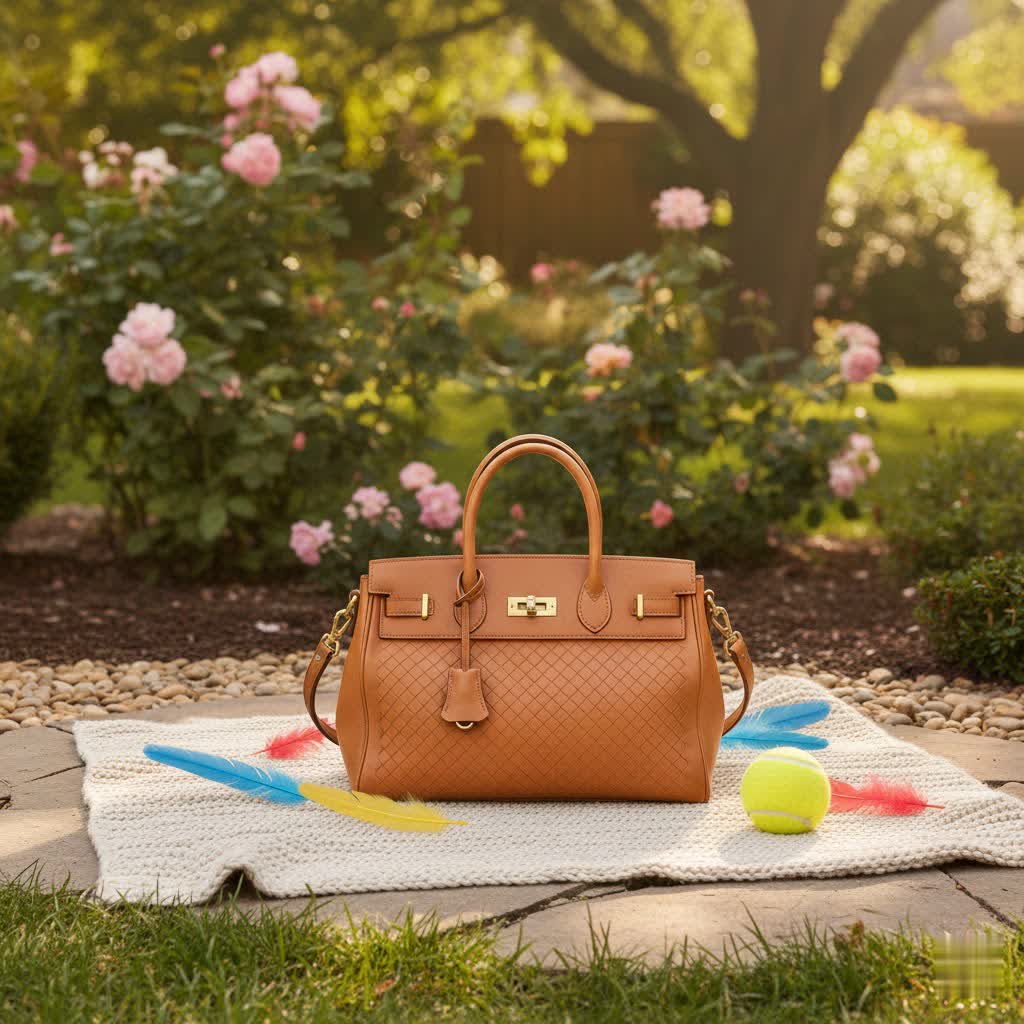
For over a decade, I’ve seen the handbag industry evolve, from timeless leather classics to the latest avant-garde designs. A side hand bag isn’t just an accessory; it’s a statement of style and a crucial companion for your daily adventures. With hands-free convenience and versatile designs, side hand bags have become an indispensable item in any wardrobe. This comprehensive guide will help you navigate the exciting world of side hand bags, ensuring you find the perfect match for your lifestyle and keep it looking fabulous for years to come.
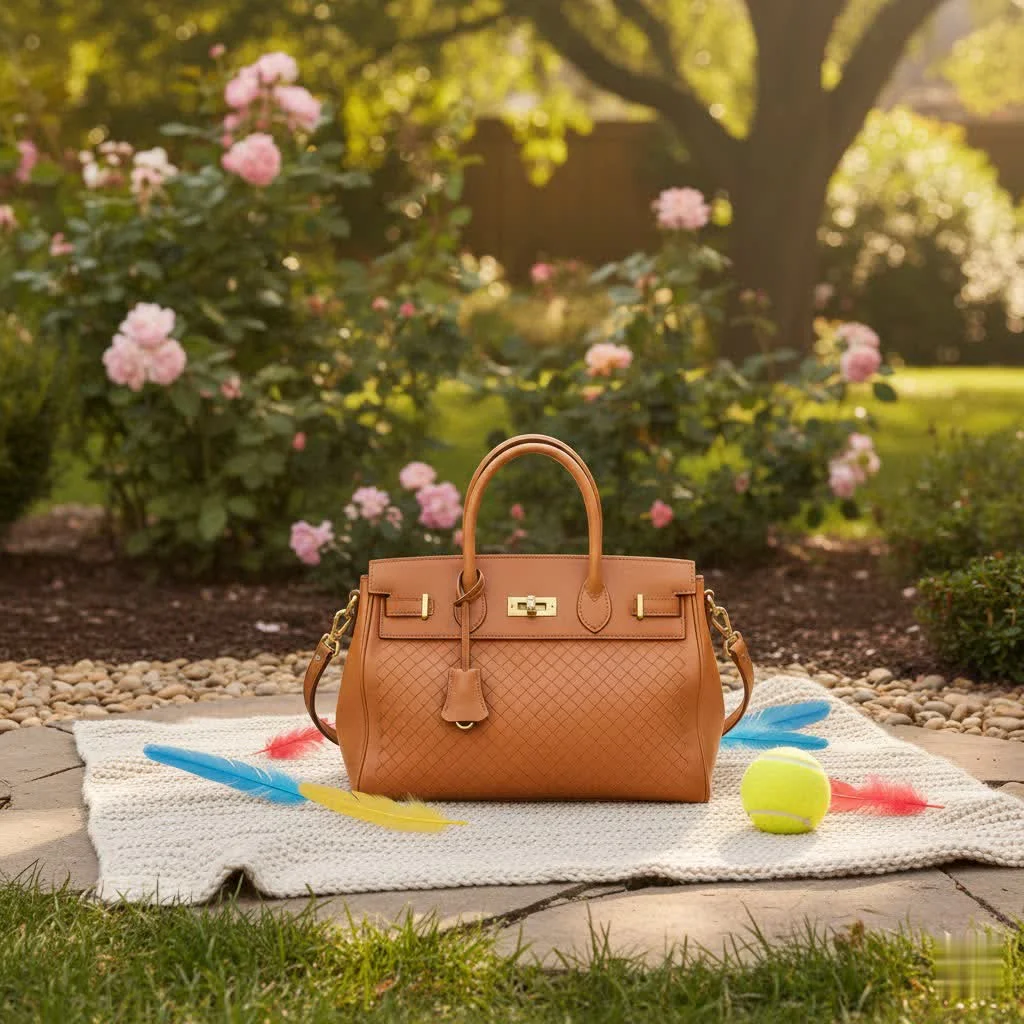
Popular Types of Side Hand Bags
The term “side hand bag” often encompasses a variety of styles designed for hands-free carrying, typically resting at the hip or across the body. Understanding the nuances of each type can help you pinpoint your ideal match.
- Crossbody Bags: These are perhaps the most popular type of side hand bag, featuring a long strap worn diagonally across the body. They offer excellent security and keep your essentials within easy reach, making them perfect for navigating busy cities or traveling. Sub-types include:
- Classic Crossbody: Timeless and versatile, often in leather, suitable for both casual and formal settings.
- Messenger Crossbody: Larger and more structured, with a front flap, ideal for carrying more items like notebooks or small devices.
- Mini Crossbody: Compact, designed for just your phone, wallet, and keys, great for errands or a night out.
- Convertible Crossbody: Offers flexible styling, often transforming into a shoulder bag or even a belt bag.
- Sling Bags: While often used interchangeably with crossbody bags, sling bags typically feature a single strap slung over one shoulder, with the bag resting at the side or behind the back. They are known for their comfort and are a favorite for active lifestyles or when you need quick access to your belongings without removing the bag.
- Other Related Styles:
- Hobo Bags: Characterized by their slouchy, crescent shape and a single shoulder strap, these bags offer a relaxed, bohemian vibe and often have ample space.
- Saddle Bags: Traditionally inspired by equestrian gear, modern saddle bags are typically small, horseshoe-shaped side bags with a flap closure, offering a classic, chic look.
- Belt Bags (worn crossbody): Originally worn around the waist, many modern belt bags have adjustable straps long enough to be worn across the chest or back, blending casual utility with urban style.
Each type of side hand bag brings its own distinct advantages, whether you prioritize spaciousness, sleek design, or ultimate hands-free freedom.
Factors to Consider When Buying a Side Hand Bag
|
Our Picks for the Best Hand bag in 2026
As an Amazon Associate I earn from qualifying purchases.
|
||
| Num | Product | Action |
|---|---|---|
| 1 | Black Shoulder Bag for Women Cute Hobo Cherry Purse Retro Clutch Underarm Handbag with Removable Straps |

|
| 2 | BAGSMART Tote Bag for Women, Lightweight Puffy Tote Bag with Compartments Shoulder Bag Handbag for Travel, Work, Gym - Lightweight, Puffy, Tote Bag with Compartments, Quilted, for Travel, Work |
|
| 3 | Shoulder Bag for Women Y2K Trendy Purse Vegan Leather Hobo Handbags Clutch Saddle Bag with 2 Removable Strap |
|
| 4 | Color-Block Crossbody Bags for Women Leather Cross Body Purses Cute Designer Handbags Shoulder Bag Medium Size |
|
| 5 | BOSTANTEN Crossbody Bags for Women Trendy Vegan Leather Hobo Purses Shoulder Handbags With Wide Shoulder Strap |
|
| 6 | ELDA Crossbody Bags For Women Pocketbooks Soft PU Leather Purses and Handbags Multi Pocket Shoulder Bag |
|
| 7 | LOVEVOOK Laptop Tote Bag for Women,Leather Work Bag, Waterproof Business Teacher Bag,Large Computer Handbag Purse Briefcase,Office Gifts for Women |
|
| 8 | ALDO Women's Legoirii Tote Bag |
|
| 9 | KKXIU Shoulder Bag for Women Cute Hobo Purses and Handbags Retro Clutch Underarm Purse - Cute, Retro, Cute, Retro |
|
| 10 | Hobo Bags for Women Soft Vegan Leather Shoulder Handbag Slouchy Tote Purses |
|
Choosing the perfect side hand bag requires a thoughtful assessment of your needs and preferences. Consider these key factors to make an informed decision.
- Material: The material of your side hand bag significantly impacts its durability, appearance, and care requirements.
- Genuine Leather: A timeless choice renowned for its durability and luxurious feel. It ages beautifully, developing a unique patina over time. However, leather requires consistent cleaning and conditioning to prevent drying and cracking. Styles like Saffiano leather are especially durable and resistant to scratches.
- Vegan Leather/PU Leather: An ethical and often more affordable alternative that mimics the look and feel of real leather. These materials are stylish but can be more susceptible to cracking and peeling if not properly maintained.
- Canvas and Nylon: Excellent for everyday use, travel, or outdoor activities. These materials are typically lightweight, durable, and often water-resistant, making them easy to clean. They are a practical choice for a versatile side hand bag.
- Fabric and Woven Materials: Offer a wide range of textures and patterns, perfect for expressing personal style or seasonal trends. They might require more delicate cleaning and careful storage.
- Size and Capacity: Before you buy, consider what you typically carry.
- For daily errands or a night out, a mini crossbody or a small sling bag might suffice, holding just your phone, wallet, and keys.
- For work or travel, a larger messenger style crossbody or a more structured satchel with an optional crossbody strap can accommodate a small tablet, water bottle, or a book.
- When choosing a side hand bag, also think about its proportion to your body. A petite individual might be overwhelmed by an oversized bag, while a taller person might find a tiny bag looks disproportionate.
- Style and Color: Your side hand bag should complement your personal style and wardrobe.
- Classic neutrals like black, brown, navy, or gray are versatile and pair with almost any outfit.
- Pops of color or unique patterns can add personality and flair, making a statement.
- Consider the bag’s structure—do you prefer a soft, slouchy hobo or a more rigid, structured shape?
- The placement of your side hand bag can also be flattering. A crossbody that hits at your waist can highlight your midsection, while one resting at the hip can help balance your upper body.
- Brand and Price: While designer brands often signify quality and craftsmanship, many affordable brands offer excellent side hand bags. An investment piece in genuine leather might last a decade, while a trendy, budget-friendly option allows for more frequent style updates. Always evaluate the value against the price, considering materials, construction, and expected longevity.
- Comfort and Functionality: A comfortable side hand bag is one you’ll love to carry. Look for:
- Adjustable straps to achieve the perfect length for your height and preferred carrying style. Padded straps can enhance comfort for heavier bags.
- Secure closures like zippers or magnetic flaps are crucial for protecting your belongings, especially when traveling or in crowded areas.
- Organizational compartments such as internal pockets, card slots, and key clips help keep items tidy and easily accessible. Some bags even feature anti-theft designs like hidden pockets.
- A lightweight design is always a plus, ensuring the bag doesn’t feel heavy before you even add your essentials.
Your Essential Side Hand Bag Buying Guide
Navigating the vast selection of side hand bags can be exciting. Use this step-by-step guide to confidently choose your next cherished accessory.
- Define Your Needs: Begin by identifying the primary purpose of your new side hand bag. Is it for daily commutes, weekend adventures, travel, or special occasions? What essential items do you need to carry?
- Set a Budget: Determine how much you’re willing to invest. This will help narrow down material and brand options. Remember, a higher price often correlates with superior materials and craftsmanship, offering better longevity.
- Research Materials: Understand the pros and cons of different materials in terms of durability, appearance, and maintenance. If you prioritize ease of care, canvas or nylon might be ideal. For a classic, long-lasting look, consider genuine leather.
- Consider Comfort and Fit: When shopping, whether online or in-store, pay close attention to comfort. Check if the strap length is adjustable and if the bag sits comfortably at your preferred position (crossbody, shoulder, or hip). The bag’s size should be in proportion to your body frame.
- Assess Organization: Peek inside! Look for thoughtful compartments and secure closures that will help you stay organized. Zippered pockets, key clips, and dedicated phone sleeves can make a big difference in daily functionality.
- Read Reviews: Customer reviews offer invaluable real-world insights into a bag’s wearability, durability, and overall satisfaction. Look for feedback on issues like strap comfort, material quality, and capacity.
Essential Side Hand Bag Care Tips
To ensure your side hand bag remains a faithful companion for years, proper care is paramount. Here are key maintenance tips to keep it in pristine condition.
- Regular Cleaning & Protection:
- Spot clean any spills or marks immediately with a soft, neutral-colored cloth.
- Follow the manufacturer’s instructions for deeper cleaning, as different materials (leather, canvas, synthetic) have specific recommendations. For leather, regular conditioning is vital to prevent drying.
- Protect your bag from exposure to oils, pens, makeup, and potential color transfer from dark clothing like denim.
- Proper Storage: How you store your side hand bag when not in use significantly impacts its longevity.
- Always store your bag in its original dust bag or a breathable cotton pillowcase to protect it from dust and light exposure. Avoid plastic bags, which can trap moisture and lead to mold.
- Stuff your bag lightly with acid-free tissue paper or soft fabric (like an old T-shirt) to help it maintain its shape and prevent creasing or sagging.
- Store bags upright on a shelf rather than stacked, as stacking can cause permanent creases and damage structural integrity.
- Choose a cool, dry location away from direct sunlight and humidity, as UV rays can cause fading and materials to dry out.
- Consider storing straps inside the bag to reduce the risk of marks or stretching if the bag is typically hung.
- Prompt Repair: Don’t let minor damage escalate. Address any loose stitching, broken hardware, or worn straps as soon as they appear to prevent further deterioration.
- Rotate Your Bags: Regularly rotating your collection helps distribute wear and tear, preventing repetitive stress on particular spots like straps, seams, and corners of a single side hand bag. This simple habit can significantly extend the lifespan of all your bags.
“A good side hand bag is more than just an accessory; it’s a trusty partner that carries your world and elevates your style.”
Conclusion
The right side hand bag is a powerful fusion of fashion and functionality, a versatile piece that adapts to your dynamic lifestyle. From the practical crossbody to the chic sling, understanding the various types, key buying considerations, and proper care techniques empowers you to make a choice that truly reflects your personal style and meets your everyday demands. With the insights shared, you’re now equipped to select a side hand bag that not only looks impeccable but also endures as a cherished part of your collection.
What’s your favorite feature to look for in a new side hand bag?
Frequently Asked Questions
What is the difference between a crossbody bag and a sling bag?
The primary difference lies in how they are worn. A crossbody bag typically has a longer strap that goes over your head, positioning the bag across your body, often at the hip. A sling bag, while also hands-free, is usually slung over one shoulder, with the bag itself resting at the side or behind the back. Both offer convenience, but crossbody bags are often considered more secure for urban environments or travel due to their snug fit.
Are side hand bags still in style?
Absolutely! Side hand bags, especially crossbody and sling styles, remain incredibly popular and trendy for their practicality and versatility. They are favored by people of all ages and continue to be seen on runways and in streetwear, demonstrating their enduring appeal in balancing fashion with hands-free convenience.
How do I clean my leather side hand bag?
For genuine leather, regular cleaning and conditioning are key. Wipe off surface dirt with a soft, damp cloth. For deeper cleaning, use a specialized leather cleaner and conditioner, applying them gently with a soft cloth. Always test products on an inconspicuous area first. Avoid harsh chemicals, excessive water, and direct sunlight, which can damage the leather.
What size side hand bag should I get for daily use?
For daily use, consider a side hand bag that can comfortably fit your essentials: phone, wallet, keys, and perhaps a small notebook or water bottle. A small to medium-sized crossbody or sling bag often strikes the perfect balance between capacity and portability. If you carry more items, a messenger-style crossbody or a structured satchel with a crossbody strap might be more suitable.
Get our weekly buyer guide
Practical specs, not advice. Unsubscribe anytime.
