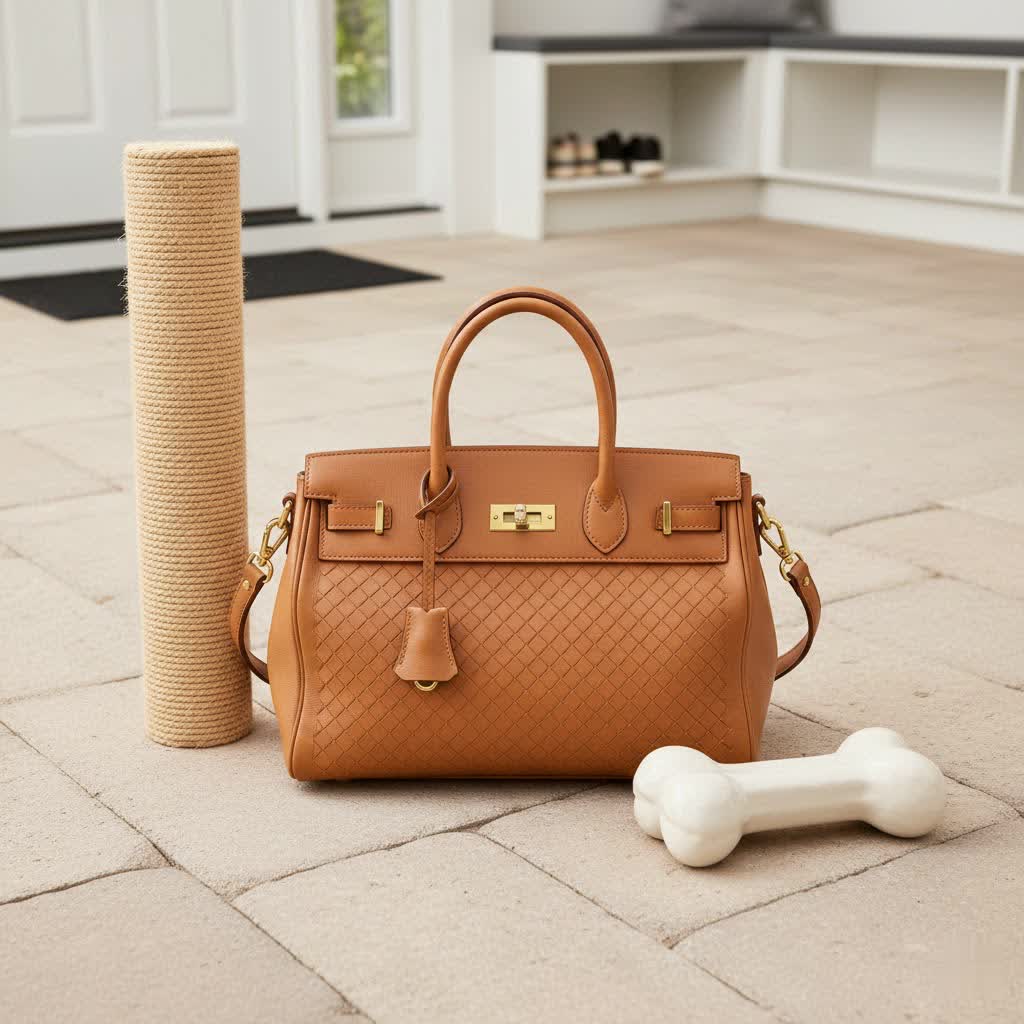
A handbag is more than just an accessory; it’s an extension of your personality, a practical companion for your daily adventures, and often a significant investment in your personal style. Whether you’re seeking a chic statement piece or a functional carry-all, the world of women’s handbags offers an incredible array of choices that can feel overwhelming. This comprehensive guide will navigate you through popular styles, essential considerations, and expert tips to ensure you select the perfect handbag that truly complements your lifestyle and wardrobe. Get ready to discover your next cherished hand bag.
Choosing the Perfect Handbag: A Comprehensive Guide
Popular Handbag Types
Understanding the different types of handbags is the first step to finding your ideal match. Each style serves a unique purpose and lends itself to various occasions and aesthetics.
- Tote Bags: These are characterized by their large, open-top design and two parallel handles, making them the ultimate carry-all. Totes are perfect for work, shopping, or travel, easily accommodating laptops, documents, and everyday essentials. Their spaciousness combines utility with appearance, making them a favorite for those on the move.
- Satchel Bags: Defined by their structured shape, satchels typically feature top handles and often come with a detachable crossbody strap. They maintain their form, making them ideal for business meetings or semi-formal settings where a polished look is desired. Satchels offer a sophisticated blend of elegance and practicality.
- Clutch Bags: Designed to be held in the hand or tucked under the arm, clutches are compact and perfect for high-glam, low-carry events. While traditionally reserved for special occasions like weddings or evening parties, modern clutches also come in larger sizes suitable for daytime use, adding a sleek touch to any outfit.
- Crossbody Bags: These bags feature an extra-long strap worn diagonally across the body, resting on the hip or waist. Crossbody bags are the epitome of hands-free convenience, making them excellent for errands, travel, or concerts where you need easy access to essentials without sacrificing style. They come in various sizes, from mini to oversized.
- Hobo Bags: Recognized by their crescent shape, slouchy posture, and long shoulder strap, hobo bags are made from soft, flexible materials. They exude a relaxed, bohemian charm, making them perfect for casual, everyday outfits or weekend getaways, though more sophisticated versions exist for office wear.
Essential Factors When Buying a Handbag
Selecting the right hand bag involves more than just aesthetic appeal; practical considerations play a crucial role in its longevity and suitability for your needs.
Material
The material of a handbag significantly impacts its look, feel, durability, and care requirements.
- Genuine Leather: Valued for its durability, luxurious appearance, and ability to age beautifully, genuine leather is a timeless choice. It can be smooth, pebbled, or textured like croc-embossed.
- Pros: Long-lasting, develops a unique patina over time, classic appeal.
- Cons: Can be expensive, requires specific care (conditioning, avoiding water), can be heavy.
- Care: Regular cleaning with a soft, damp cloth, periodic conditioning to prevent drying and cracking, and protecting from water and direct sunlight.
- Vegan Leather (Faux Leather/PU Leather): A popular alternative, modern vegan leathers can closely mimic the look and feel of genuine leather.
- Pros: More affordable, cruelty-free, often lighter.
- Cons: May not be as durable as genuine leather, can show wear more quickly.
- Care: Gentle cleaning, avoiding harsh chemicals or oils.
- Fabric (Canvas, Nylon): Lightweight and versatile, fabric bags offer a casual aesthetic.
- Pros: Affordable, easy to clean (spot cleaning), wide range of colors and patterns.
- Cons: Less formal, may not be as durable as leather.
- Care: Spot clean with mild soap and water.
- Suede: A soft, napped finish leather, known for its luxurious texture.
- Pros: Elegant, distinctive feel.
- Cons: Very delicate, prone to staining, difficult to clean, water is the enemy.
- Care: Best with a suede brush, professional cleaning for stubborn stains, use of protective sprays.
Size and Capacity
The perfect size for your hand bag depends entirely on its intended use and your personal stature.
- Determine Your Needs: For work, a large tote or satchel that fits a laptop and documents is ideal. For daily errands, a crossbody or shoulder bag offering hands-free convenience is preferred. Evening events call for compact clutches or mini bags.
- Proportion to Body Size: A large bag can overwhelm a petite frame, while a very small bag might get lost on a larger figure. Choose a bag that is proportional to your height and build to create a balanced silhouette.
Style and Color
Your handbag is a key element in expressing your personal style and can either blend seamlessly or make a bold statement.
- Personal Style: Are you classic, minimalist, bohemian, or edgy? Choose a hand bag that truly reflects your aesthetic. A structured satchel suits a polished look, while a slouchy hobo complements a relaxed vibe.
- Versatility vs. Statement: Neutral colors like black, brown, navy, or nude are versatile and easily pair with most outfits. Bold colors or unique patterns can serve as a statement piece to elevate a simple ensemble.
- Trends: While it’s good to be aware of current trends (like rounded shapes or woven leathers), prioritize timeless pieces that will remain stylish for years, rather than fleeting fads.
Brand and Price
The brand and price point often correlate with craftsmanship, material quality, and perceived value.
- Luxury Brands: Houses like Hermès, Chanel, Louis Vuitton, Gucci, and Prada offer iconic designs, exceptional craftsmanship, and often act as investment pieces, potentially increasing in value over time.
- Affordable Designer/Mid-Range: Brands such as Tory Burch, Coach, Michael Kors, Kate Spade, and Marc Jacobs provide high-quality, stylish designs at more accessible price points, blending luxury appeal with everyday practicality.
- Quality over Price: While budget is a factor, prioritize quality craftsmanship (even stitching, durable hardware) over just a low price. A well-made bag, regardless of brand, will last longer.
Comparing Popular Handbag Styles
|
Our Picks for the Best Hand bag in 2026
As an Amazon Associate I earn from qualifying purchases.
|
||
| Num | Product | Action |
|---|---|---|
| 1 | Color-Block Crossbody Bags for Women Leather Cross Body Purses Cute Designer Handbags Shoulder Bag Medium Size |

|
| 2 | Hobo Bags for Women Soft Vegan Leather Shoulder Handbag Slouchy Tote Purses |
|
| 3 | LOVEVOOK Laptop Tote Bag for Women,Leather Work Bag, Waterproof Business Teacher Bag,Large Computer Handbag Purse Briefcase,Office Gifts for Women |
|
| 4 | Shoulder Bag for Women Y2K Trendy Purse Vegan Leather Hobo Handbags Clutch Saddle Bag with 2 Removable Strap |
|
| 5 | KKXIU Shoulder Bag for Women Cute Hobo Purses and Handbags Retro Clutch Underarm Purse - Cute, Retro, Cute, Retro |
|
| 6 | BOSTANTEN Crossbody Bags for Women Trendy Vegan Leather Hobo Purses Shoulder Handbags With Wide Shoulder Strap |
|
| 7 | ELDA Crossbody Bags For Women Pocketbooks Soft PU Leather Purses and Handbags Multi Pocket Shoulder Bag |
|
| 8 | BAGSMART Tote Bag for Women, Lightweight Puffy Tote Bag with Compartments Shoulder Bag Handbag for Travel, Work, Gym - Lightweight, Puffy, Tote Bag with Compartments, Quilted, for Travel, Work |
|
| 9 | Black Shoulder Bag for Women Cute Hobo Cherry Purse Retro Clutch Underarm Handbag with Removable Straps |
|
| 10 | ALDO Women's Legoirii Tote Bag |
|
| Handbag Type | Ideal Use Case | Key Features | Pros | Cons |
|---|---|---|---|---|
| Tote Bag | Work, Travel, Shopping | Large, open top, two handles | Spacious, versatile, practical | Can become heavy, less secure |
| Satchel | Business, Semi-formal | Structured, top handle, often strap | Polished, holds shape, organized | Can be heavy, sometimes rigid |
| Clutch | Evening, Special Events | Small, no handle (or wristlet) | Elegant, chic, minimalist | Limited capacity, hands occupied |
| Crossbody | Errands, Travel, Casual | Long adjustable strap, hands-free | Convenient, secure, comfortable | Can be small, strap might dig in |
| Hobo Bag | Casual, Weekend, Bohemian | Slouchy, crescent shape, shoulder str | Comfortable, relaxed style, roomy | Less structured, contents can shift |
Your Handbag Buying Guide
Follow these steps to make an informed decision and find the perfect hand bag that meets your needs and style preferences.
- Define Your Needs and Budget: Before browsing, consider when and where you’ll primarily use the bag. Is it for daily commuting, special occasions, or travel? Establish a realistic budget to narrow down your options effectively.
- Research Product Information: Look into the materials, dimensions, and internal organization of potential bags. Pay attention to details like closures, pockets, and strap adjustability to ensure functionality.
- Read User Reviews: Customer feedback can offer invaluable insights into a bag’s real-world performance, durability, and comfort. Look for common praises and complaints.
- Inspect Quality Before Purchase: If possible, examine the bag in person. Check for even stitching, sturdy hardware, smooth zippers, and overall construction quality. Even affordable bags can offer good craftsmanship.
- Understand Warranty and Return Policies: Familiarize yourself with the brand’s policies on returns, exchanges, and warranties. This provides peace of mind in case the bag doesn’t meet your expectations or has manufacturing defects.
Essential Handbag Care Tips
To ensure your hand bag remains a cherished companion for years, consistent care is paramount.
- Regular Cleaning and Conditioning: Wipe down your bag with a soft cloth after use to remove dust and dirt. For leather bags, apply a suitable leather conditioner every few months to keep the material supple and prevent cracking. Always test products on an inconspicuous area first.
- Protect from Elements: Avoid prolonged exposure to direct sunlight and extreme heat, which can cause fading, drying, or cracking. Use a waterproofing spray for added protection against rain and spills, especially for leather and suede.
- Proper Storage: When not in use, stuff your hand bag with paper or bubble wrap to help it maintain its shape. Store it in a dust bag or a natural fabric pillowcase in a cool, dry, and well-ventilated area. Avoid hanging bags by their straps for extended periods, as this can cause stretching or distortion.
- Handle with Care: Always use clean hands when handling your bag, as lotions and oils can transfer. Avoid placing your bag on rough surfaces that could cause scratches or damage. Use internal pouches for makeup and pens to prevent spills and ink leaks.
- Rotation: Don’t overuse a single hand bag. Rotating your collection gives each bag a break, extending its lifespan and allowing for thorough cleaning and maintenance between uses.
- Professional Care: For stubborn stains, deep cleaning, or significant repairs, consult a professional handbag cleaner or repair specialist. They have the expertise to address issues without causing further damage.
“A good hand bag is not just an accessory; it’s a reliable partner that tells your story and accompanies you through every chapter.” – An expert fashion consultant.
Conclusion
Choosing the right hand bag is a thoughtful process that marries personal style with practical needs. From the expansive functionality of a tote to the refined elegance of a clutch, each style offers something unique. By considering factors like material, size, and your lifestyle, and by committing to proper care, your chosen hand bag will not only enhance your outfits but also stand the test of time as a truly perfect companion. What will your next hand bag say about you?
Frequently Asked Questions
How do I choose a handbag that suits my body shape?
The general rule is to choose a hand bag shape that contrasts with your body shape. For instance, if you have an angular frame, a slouchy hobo bag can soften your silhouette. Conversely, a structured satchel can add definition if you have a curvier figure, ensuring a balanced look.
What are the most durable materials for a women’s hand bag?
Genuine leather is widely considered one of the most durable materials for women’s hand bags, known for its longevity and ability to withstand daily wear while developing a rich patina. Other durable options include high-quality canvas and certain types of treated nylon, especially for more casual or utilitarian styles.
How often should I clean my leather handbag?
For general maintenance, wipe your leather hand bag with a soft, dry cloth after each use to remove surface dust. A more thorough cleaning with a damp cloth and subsequent conditioning should be done every 3-6 months, or as needed, to keep the leather hydrated and prevent cracking.
Is it worth investing in a luxury hand bag?
Investing in a luxury hand bag can be worthwhile if you prioritize exceptional craftsmanship, high-quality materials, and timeless design. Many luxury bags maintain or even increase their value over time, making them a potential investment piece. However, quality and personal connection to the style are key, regardless of the brand’s price tag.
Can I really use a waterproof spray on any hand bag?
While waterproofing sprays can offer protection, it’s crucial to always test the product on a small, inconspicuous area of your hand bag first. Different materials react differently, and some sprays are specifically formulated for certain types of leather or fabric. Avoid using them on delicate materials like suede without a suede-specific protector.
Get our weekly buyer guide
Practical specs, not advice. Unsubscribe anytime.

Finally, a guide that actually helps! I’ve been struggling to find a bag that works for both my professional life and my casual weekends. The advice on considering your lifestyle and wardrobe was spot on. I realized I need something versatile that can transition easily, and now I have a much clearer idea of what to look for in terms of material and size. Thank you!
I’ve been looking for a new everyday bag and this guide was super helpful! I always gravitate towards tote bags for work, but I loved the breakdown of how they can also be stylish for weekend errands. It really helped me narrow down my choices to a few key brands I hadn’t considered before. Definitely feeling more confident about my next purchase.
This was a great read for someone like me who gets overwhelmed by all the options. I appreciated the section on understanding different handbag types, especially the distinction between a satchel and a shoulder bag. I’m usually a crossbody girl, but it made me think about adding a more structured satchel to my collection for dressier occasions. Good tips!
While the guide had some good points, I was hoping for a bit more on specific luxury brands and their signature styles. It touched on popular types, but I felt like it could have delved deeper into what makes a particular designer’s tote or clutch stand out. Still, it’s a decent starting point for someone new to the handbag world.